Application overview

Craft Soda Formulation

NFC fruit juices for premium carbonated beverage systems

Craft soda formulations use fruit juices to create more distinctive flavor profiles than conventional flavor-only carbonated beverages. NFC and single-strength juices can contribute recognizable fruit character, natural acidity, soluble solids, color, aroma and cloud while allowing manufacturers to formulate around the properties of the fruit itself.

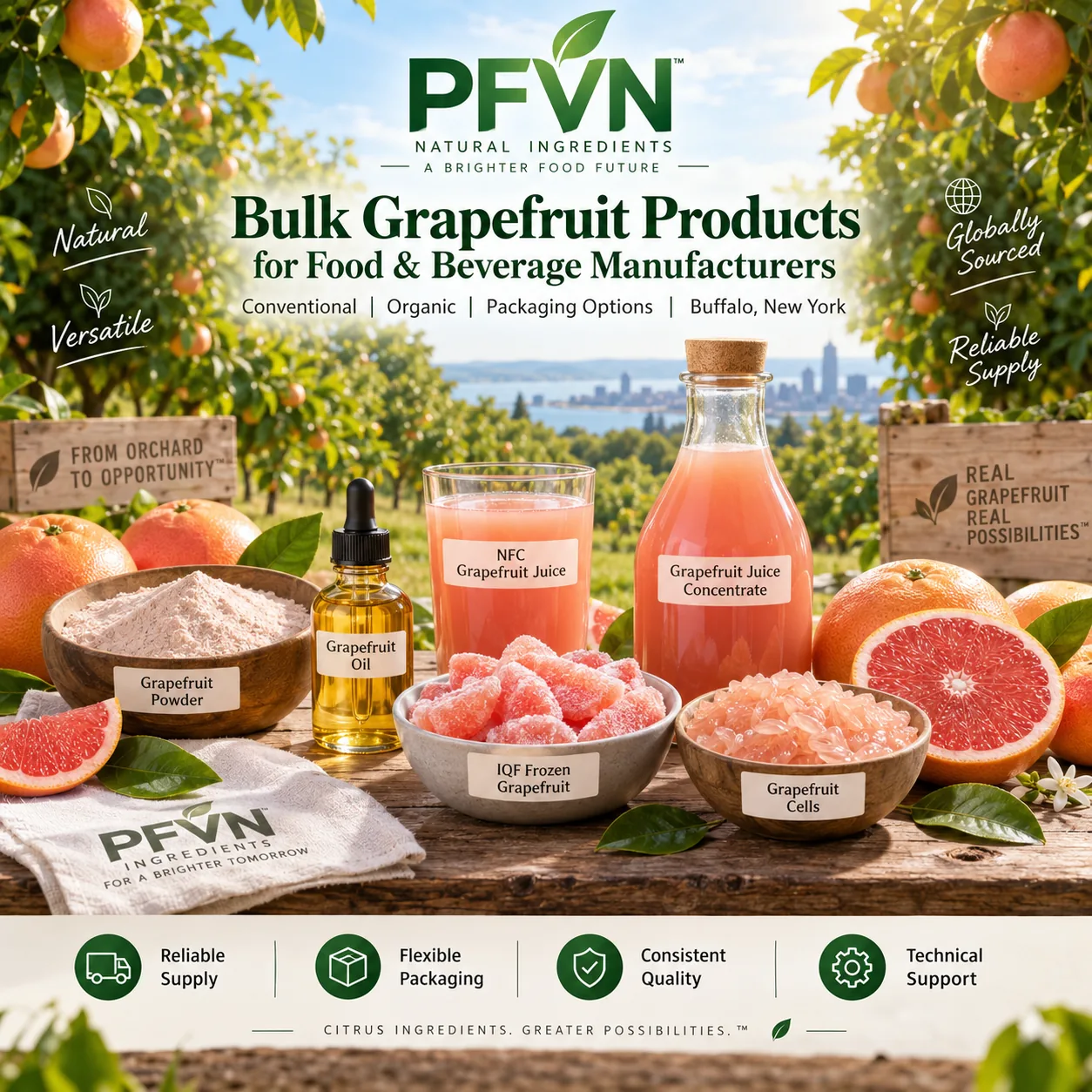
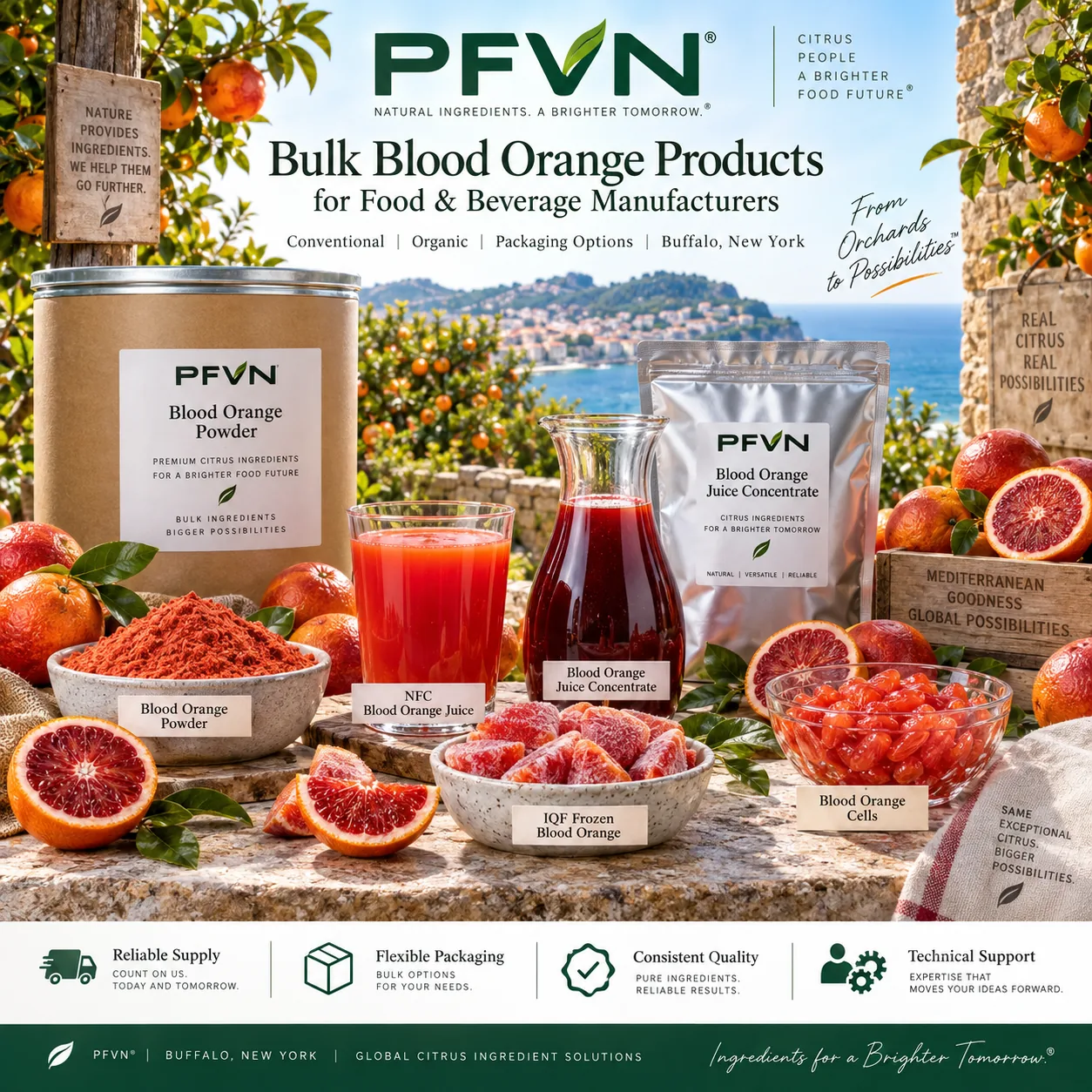
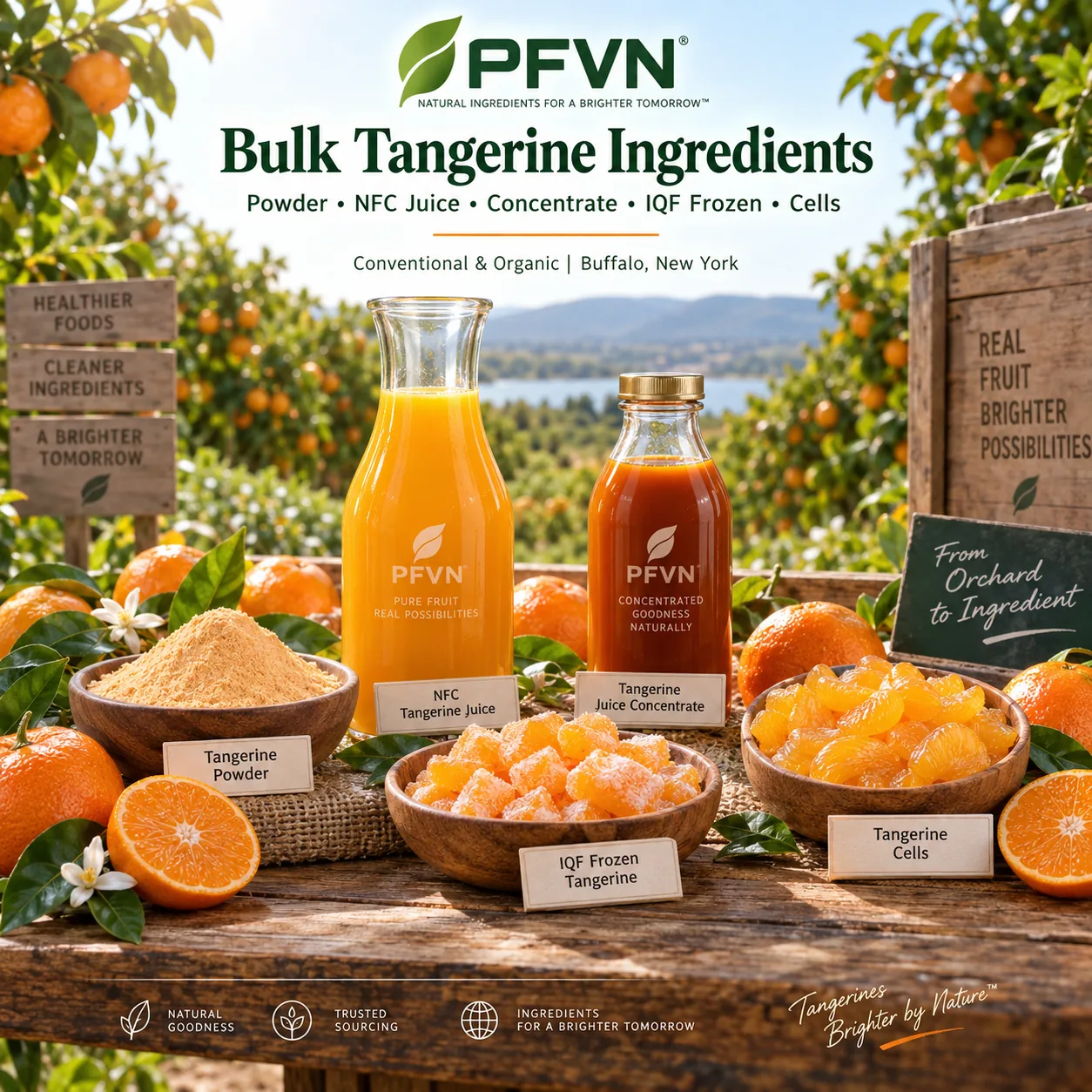
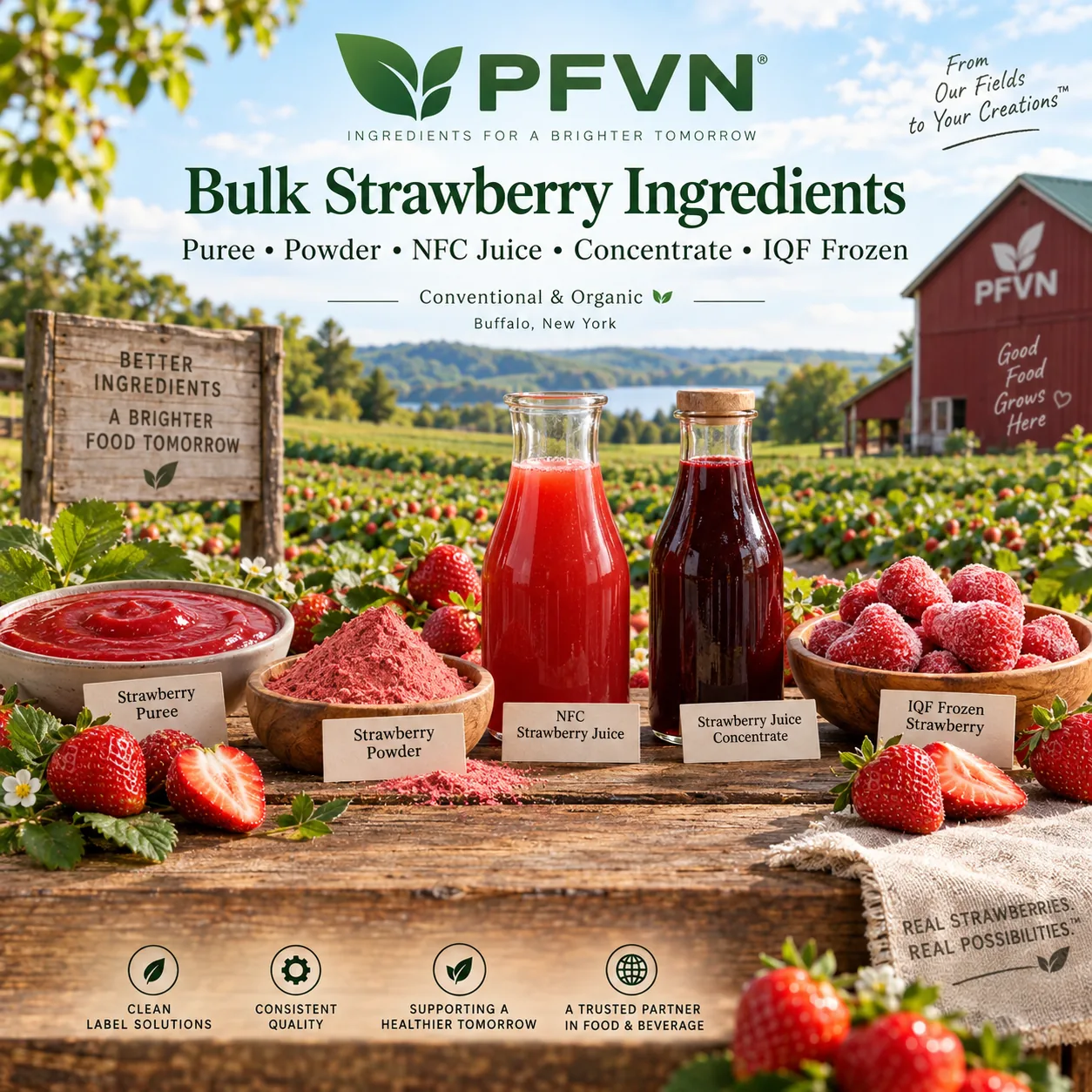
Citrus fruits such as lemon, lime, grapefruit, blood orange, mandarin and tangerine are especially useful because their natural acid and aromatic profiles work well with carbonation. Berry juices such as strawberry and raspberry provide softer fruit acidity, red color and different aromatic character for premium, botanical and mixed-fruit soda concepts.

The ingredient should be evaluated as part of the finished beverage rather than in isolation. Carbon dioxide, sweetness, acidity, processing temperature, oxygen exposure and final serving temperature all influence how fruit aroma and acidity are perceived.

The fruit determines much of the soda's character

Natural fruit composition changes with variety, maturity, harvest season and origin. These differences can influence soluble solids, acidity, bitterness, juice color, pulp and aroma intensity. A commercial specification should therefore control the characteristics that affect the finished soda while allowing reasonable agricultural variation.

Define the juice's role before setting the specification

The juice may be the primary characterizing ingredient, an acid-balancing component, a secondary flavor layer, a color contributor or part of a multi-fruit blend. The intended function determines the appropriate inclusion level, cloud profile, acidity, sweetness balance and processing requirements.
Qualification reminder: NFC and single-strength juice characteristics vary by fruit, variety, crop, origin, processing method and supplier. Confirm the current technical specification, ingredient declaration, packaging, storage requirements, microbiological criteria, shelf life and certifications before commercial approval.
Fruit characteristics

Choosing fruit for craft soda formulation

Different fruits create different acid, aroma, sweetness and visual profiles. Selecting the fruit is therefore one of the most important formulation decisions in a craft soda program.

Classic citrus Lemon

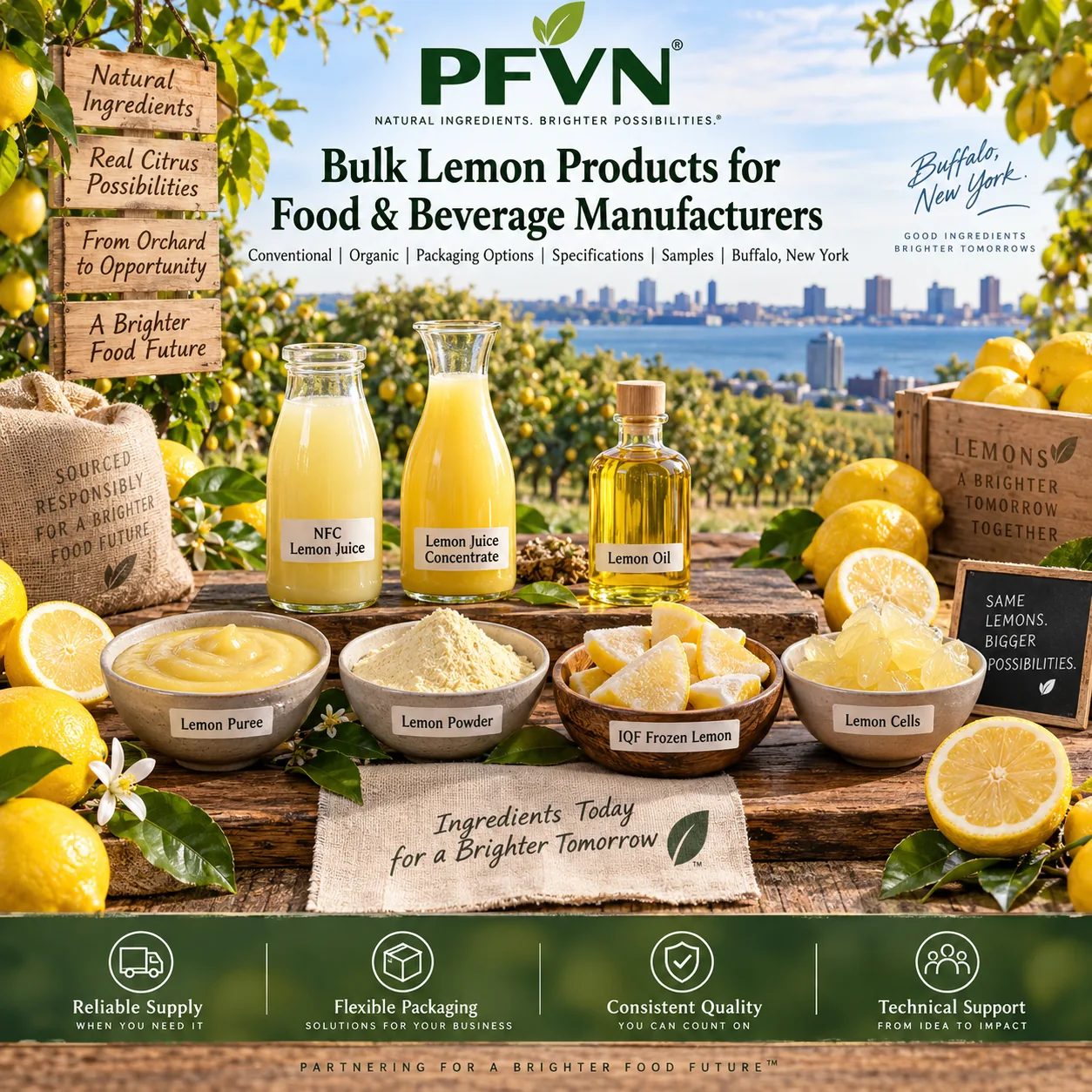
Provides clean, bright acidity and familiar citrus aroma. It works as a primary flavor or as an acid-supporting component in botanical, berry and mixed-fruit sodas.

Sharp citrus Lime

Offers intense acidity and fresh lime aroma. Its strong profile works well in highly carbonated beverages, mixers and tropical or botanical combinations.

Bitter citrus Grapefruit

Combines acidity with characteristic bitterness and aromatic complexity, making it useful in adult-oriented sodas, mixers and sophisticated citrus blends.

Colored citrus Blood Orange

Provides orange flavor with distinctive red-toned pigmentation. Finished color should be evaluated after processing and through shelf life.

Sweet citrus Mandarin Orange

Generally provides a softer, sweeter citrus character with strong aromatic appeal and less aggressive acidity than lemon or lime.

Aromatic citrus Tangerine

Offers recognizable sweet-citrus aroma and works well in premium sodas where aromatic fruit character is a central part of the product identity.

Red berry Strawberry

Contributes familiar sweet berry character and red color, particularly useful in fruit-forward, cream-style and mixed-fruit soda concepts.

Intense berry Raspberry

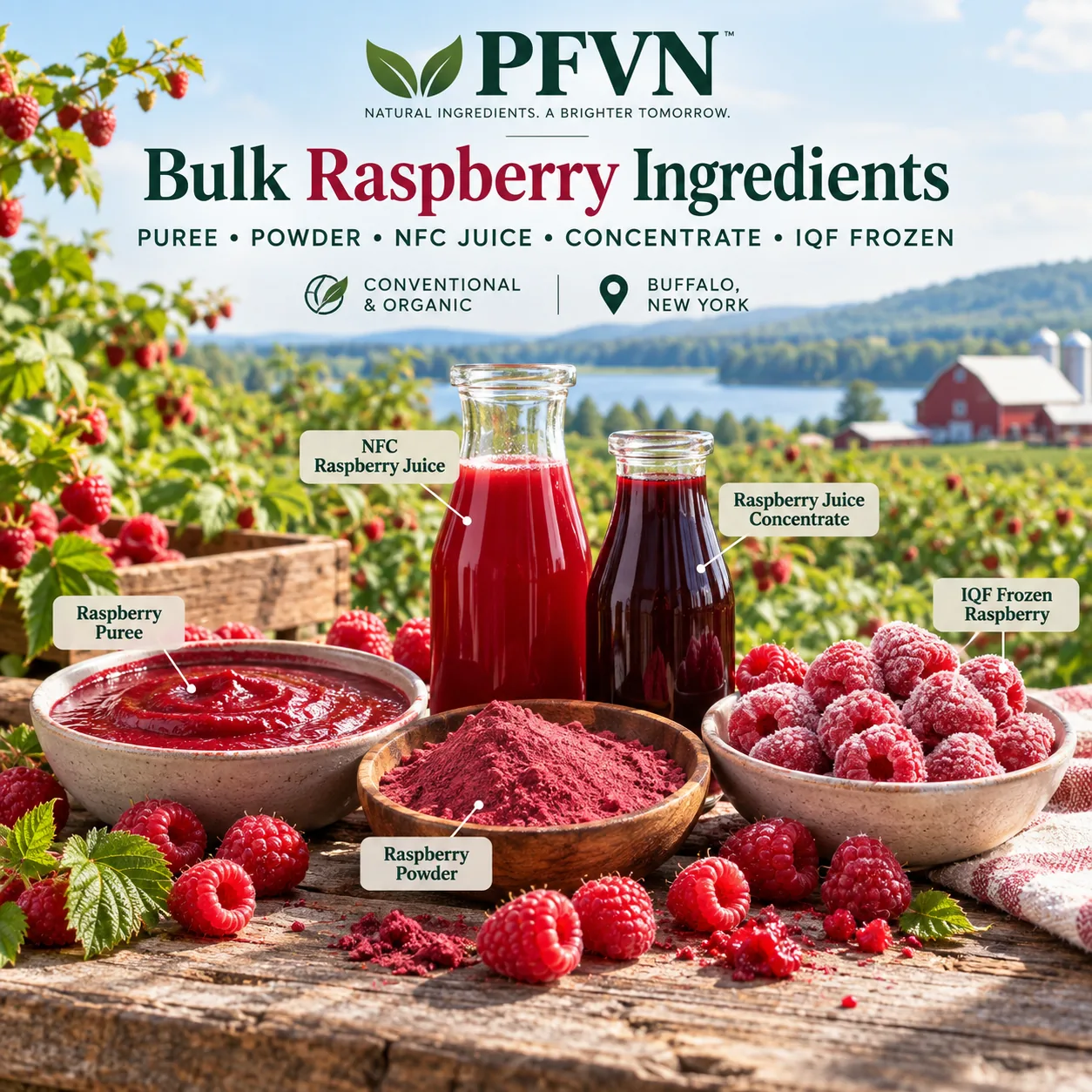
Provides brighter acidity and stronger berry aroma than many softer berry profiles, making it useful for premium carbonated fruit beverages and flavor blends.

Technical specification

Key NFC juice parameters for craft soda

A useful juice specification connects incoming raw-material properties with finished beverage flavor, stability and process control.

Identity Single-strength juice

Confirm whether the ingredient is NFC or otherwise supplied at single strength, together with variety or juice style where commercially relevant.

Soluble solids Natural °Brix

Soluble solids influence natural sweetness, fruit intensity and the amount of additional sweetener required to reach the finished beverage target.

Acid profile pH & titratable acidity

Both should be considered. pH influences the beverage environment, while titratable acidity helps describe total acid contribution and perceived tartness.

Physical profile Cloud & pulp

Clarified, cloudy and pulp-containing juices behave differently in carbonated beverages. Define acceptable sediment, haze, pulp and ring formation.

Appearance Color

Fruit pigments can respond to heat, oxygen, light and pH. Approve the final carbonated beverage color rather than the raw juice alone.

Sensory Flavor & aroma

Evaluate characteristic fruit flavor, aroma strength and absence of oxidized, fermented, cooked or otherwise atypical notes.

Microbiology Incoming criteria

Define microbiological requirements appropriate to the juice, packaging system and validated beverage process.

Storage Commercial condition

Confirm whether the juice is supplied aseptic, chilled, frozen or under another controlled storage program.

Formulation architecture

Balance fruit, sweetness, acidity and carbonation together

Craft soda formulation is a balance between fruit character, sweetener, acid profile and carbonation. Changing any one of these variables can alter the perception of the others.

Higher carbonation can sharpen perceived acidity and make citrus aromas feel brighter. Increasing sweetness can soften tartness, while high juice inclusion can contribute additional soluble solids, color, cloud and fruit acids. Formulation work should therefore compare realistic combinations rather than optimizing each parameter separately.

Useful development checkpoints

  • Target finished °Brix
  • Target pH
  • Target titratable acidity
  • Juice inclusion rate
  • Sweetener system
  • Carbonation level
  • Cloud / clarity target
  • Color target
  • Flavor intensity after processing
  • Package and shelf-life conditions
Carbonation compatibility

Design the fruit system for a carbonated environment

Carbon dioxide changes sensory perception and places additional demands on cloud, pulp and filling stability. A juice that performs well in a still beverage should not automatically be assumed to perform the same way in soda.

Aroma Carbonation lifts volatiles

Carbonation can increase aromatic impact during drinking, which may make citrus and berry top notes appear stronger than in a still bench sample.

Acidity Balance perceived sharpness

Carbonic acid contributes additional sensory sharpness, so finished acid perception should be judged only after carbonation.

Cloud Watch sediment & rings

Juice pulp, cloud particles and other suspended material can create sediment, neck rings or uneven appearance during storage.

Foaming Validate filling behavior

Pulp, soluble solids, temperature and carbonation can affect foam during filling and should be assessed on production-representative equipment.

Temperature Judge at serving condition

Cold temperature changes aroma release and sweetness perception. Sensory approval should include the intended serving temperature.

Package Evaluate finished-package stability

Test the complete beverage in the intended can, glass or PET system because oxygen and light exposure can influence fruit quality.

Industrial applications

Major uses for NFC fruit juices in carbonated beverages

Single-strength fruit juices are useful across premium carbonated beverage formats where authentic fruit character and a more differentiated flavor profile are desired.

Premium soda

Craft Fruit Sodas

NFC citrus and berry juices can serve as primary flavor components in premium sodas positioned around recognizable fruit identity.

Citrus

Lemon & Lime Sodas

Single-strength lemon and lime juices provide natural acidity and aromatic citrus character for classic and premium carbonated beverages.

Orange

Orange & Mandarin Sodas

Blood orange, mandarin and tangerine juices support sweeter citrus profiles with distinctive aroma and color.

Bitter citrus

Grapefruit Sodas

Grapefruit juice contributes the combination of acid, bitterness and citrus aroma associated with premium adult-oriented soda profiles.

Berry

Strawberry & Raspberry Sodas

Berry juices provide red fruit character for standalone berry sodas or blended citrus-and-berry formulations.

Mixers

Premium Cocktail & Mocktail Mixers

Acidic citrus juices work well in carbonated mixer systems where strong aroma, tartness and compatibility with botanical flavors are important.

Botanical

Fruit & Botanical Sodas

Fruit juices can provide a familiar flavor foundation for carbonated beverages containing herbs, spices, florals or botanical extracts.

Lower sweetness

Lightly Sweetened Sparkling Drinks

NFC juice can provide flavor and fruit identity in lower-sugar carbonated beverages where acid and aroma balance become especially important.

Processing & scale-up

Validate the juice through the complete soda process

Bench blends should be followed by production-representative trials because fruit aroma, cloud and color can change during mixing, thermal processing, filtration, carbonation and filling.

Recommended process checks

  • Ingredient addition order
  • Mixing and shear
  • Water quality
  • Juice dilution or premixing
  • Heat exposure where applicable
  • Deaeration / oxygen pickup
  • Filtration where used
  • Carbonation
  • Filling temperature
  • Finished-package stability

After a successful pilot, record the juice lot, Brix, pH, acidity, use level, carbonation target, process conditions and finished-product results. This creates a useful benchmark for future lots and alternate sources.

Shelf-life stability

Protect fruit aroma, color and appearance

Craft soda quality can change after filling even when the product meets specification at release. Fruit aroma compounds, pigments and cloud systems may respond to oxygen, light, heat and storage time.

Oxygen Minimize oxidation

Excess oxygen can reduce fresh citrus or berry aroma and contribute to undesirable flavor development during storage.

Light Protect sensitive color

Light exposure can accelerate changes in some fruit pigments and aroma compounds depending on the beverage and package.

Temperature Test realistic distribution

Evaluate shelf life under the temperatures expected during warehousing, transport and retail rather than only under ideal conditions.

Cloud Monitor physical stability

Track settling, haze changes, pulp distribution and neck-ring formation throughout the intended shelf life.

Color Track pigment change

Berry and blood-orange systems may require closer attention to pH, oxygen and light because of their natural pigment chemistry.

Sensory Evaluate release and end of life

Compare flavor, aroma, sweetness, acidity and carbonation at production release and through the declared shelf-life period.

Packaging & plant handling

Choose the juice package around production volume and storage

NFC and single-strength juices may be supplied in pails, bag-in-box systems, drums, totes or other bulk liquid configurations depending on fruit, supplier and processing method.

Storage may be aseptic ambient, chilled, frozen or otherwise controlled. Confirm the actual commercial program before approving a juice for production.

Usage rate Match pack size to batch consumption

Select a package that can be consumed efficiently within the validated handling period after opening.

Storage Plan capacity before approval

Confirm ambient, chilled or frozen storage requirements and verify warehouse capacity before commercial ordering.

Transfer Check pumps and filters

Pulp-containing or cloudy juices may behave differently from clarified juices in pumps, screens, meters and filtration equipment.

Open packs Define hold time

Establish temperature and handling procedures for opened containers to preserve sensory and microbiological quality.

Freight Account for transported water

NFC juice contains natural-strength water, so freight and storage economics can differ substantially from concentrate-based programs.

Logistics Review shipment efficiency

Drum, bag-in-box or tote dimensions, palletization and delivery frequency all affect total delivered cost.

Troubleshooting

When craft soda performance changes

Compare incoming juice data and production conditions with the approved benchmark before reformulating. Fruit variability, oxygen exposure and process changes can all influence finished soda performance.

Development check

Flavor fades after processing

Compare raw and finished beverage samples and review heat exposure, oxygen pickup, hold time and ingredient addition sequence.

Development check

Soda tastes too sharp

Review juice acidity, added acid, carbonation level and sweetness balance rather than adjusting a single variable in isolation.

Development check

Sediment or neck ring forms

Review juice cloud or pulp, particle size, stabilizer system, density differences and storage conditions.

Development check

Finished Brix is off target

Check incoming juice Brix, sweetener addition, dilution water, weighing accuracy and measurement temperature.

Development check

Color changes during shelf life

Evaluate pH, oxygen, light exposure, heat history and package barrier performance.

Development check

Fruit profile changes between lots

Compare Brix, acidity, origin, crop, variety and sensory data with the previously approved commercial benchmark.

Quality & documentation

Build the commercial juice specification

The specification should focus on the raw-material characteristics that influence flavor, acid balance, appearance and finished beverage stability.

  • Current technical specification
  • Ingredient declaration
  • Fruit / juice identity
  • Natural or controlled °Brix
  • pH and titratable acidity
  • Cloud / pulp specification where relevant
  • Certificate of Analysis where applicable
  • Microbiological specification
  • Allergen statement
  • Country-of-origin information
  • Organic or other certifications where required
  • Storage, shelf-life and packaging specification
Commercial evaluation

Compare ingredient cost with finished-beverage performance

NFC juice carries natural-strength water and can therefore have different freight, storage and handling economics from juice concentrate. Commercial comparison should account for delivered cost and formulation use level rather than price per kilogram alone.

Use level Compare cost in the finished soda

Evaluate how much juice is required to achieve the target flavor rather than comparing only the purchase price of the raw material.

Crop Review seasonal availability

Harvest timing, crop quality and processing capacity can influence availability, pricing and lead time.

Origin Qualify alternate sources

Where multiple origins are needed for continuity, compare them using the same analytical and sensory acceptance criteria.

Packaging Account for handling efficiency

Bag-in-box, drums and totes can create different labor, residue and storage economics depending on plant scale.

Cold chain Include storage and freight

Chilled or frozen juice programs can carry different logistics costs from aseptic ambient supply.

Volume Plan annual requirements

Providing realistic annual usage and delivery frequency helps suppliers evaluate production scheduling and commercial feasibility.