Application overview

Clean-Label Beverage Programs

Recognizable fruit ingredients for straightforward beverage formulations

Clean-label beverage programs often use NFC and single-strength fruit juices to provide recognizable fruit flavor, acidity, soluble solids, color and natural cloud while keeping the ingredient system relatively straightforward. Instead of relying on unnecessary formulation complexity, product development focuses on selecting fruit ingredients that naturally contribute several functions at the same time.

Orange, lemon, lime, grapefruit, blood orange, mandarin and tangerine provide distinctly different citrus profiles ranging from sharp acidity to softer sweetness and aromatic intensity. Strawberry adds familiar berry character and red fruit notes for mixed-fruit, wellness and premium beverage concepts.

Clean-label formulation does not eliminate the need for technical control. Natural juice ingredients still vary with crop, variety, maturity and processing conditions, so commercial programs should define the analytical and sensory attributes that materially affect the finished beverage.

The fruit itself becomes part of the product story

When a beverage relies more heavily on recognizable fruit ingredients, natural differences in sweetness, acidity, color, aroma and pulp become more visible. Ingredient sourcing therefore needs to balance authenticity with commercial batch consistency.

The goal is not to eliminate normal agricultural variation, but to define realistic limits for Brix, acidity, color, cloud and sensory profile so the finished product remains consistent from production run to production run.

Qualification reminder: “Clean label” does not represent one universal technical or regulatory standard. Ingredient declarations, processing choices and commercial claims should be reviewed for the intended product and market. Confirm actual juice composition, technical specifications, documentation, packaging, storage and shelf-life requirements before commercial approval.
Fruit characteristics

How different juices shape clean-label beverage profiles

Each fruit provides a different natural balance of sugar, acid, aroma, pigment and suspended solids. Selecting the right fruit can reduce the need for additional flavor correction or unnecessary formulation steps.

Classic citrus Orange

Provides familiar sweetness, acidity, orange aroma and natural juice cloud. It is widely applicable in juice drinks, breakfast beverages and blended fruit systems.

Acid citrus Lemon

Provides bright acidity and recognizable citrus aroma. It can support lemonade, wellness drinks and multi-fruit systems while contributing naturally occurring fruit acids.

Sharp citrus Lime

Offers intense acidity and highly recognizable aromatic character. It is useful where a small juice addition needs to deliver a strong citrus effect.

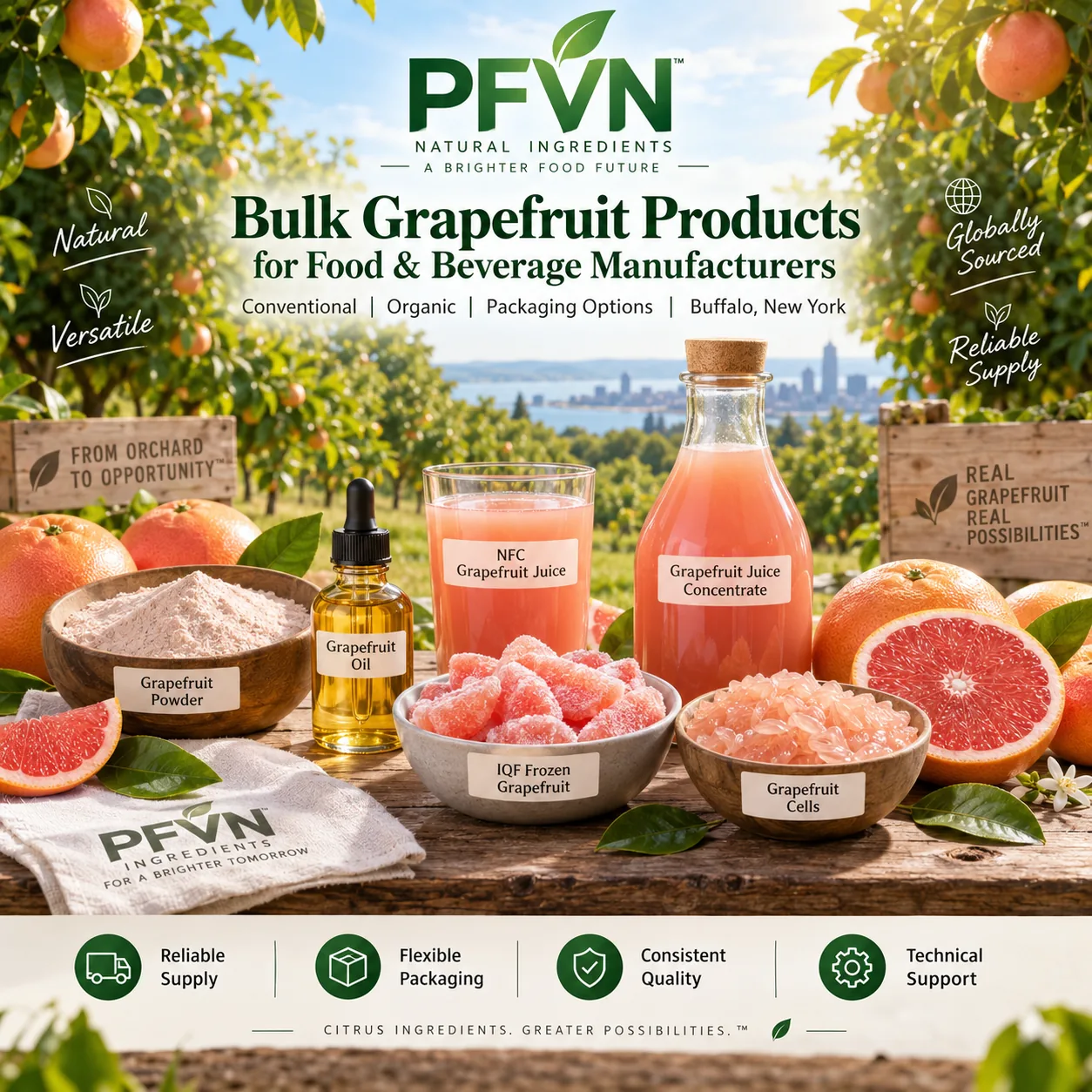
Bitter citrus Grapefruit

Combines acidity with distinctive bitterness and aroma, making it useful for adult-oriented, sparkling and botanical beverage concepts.

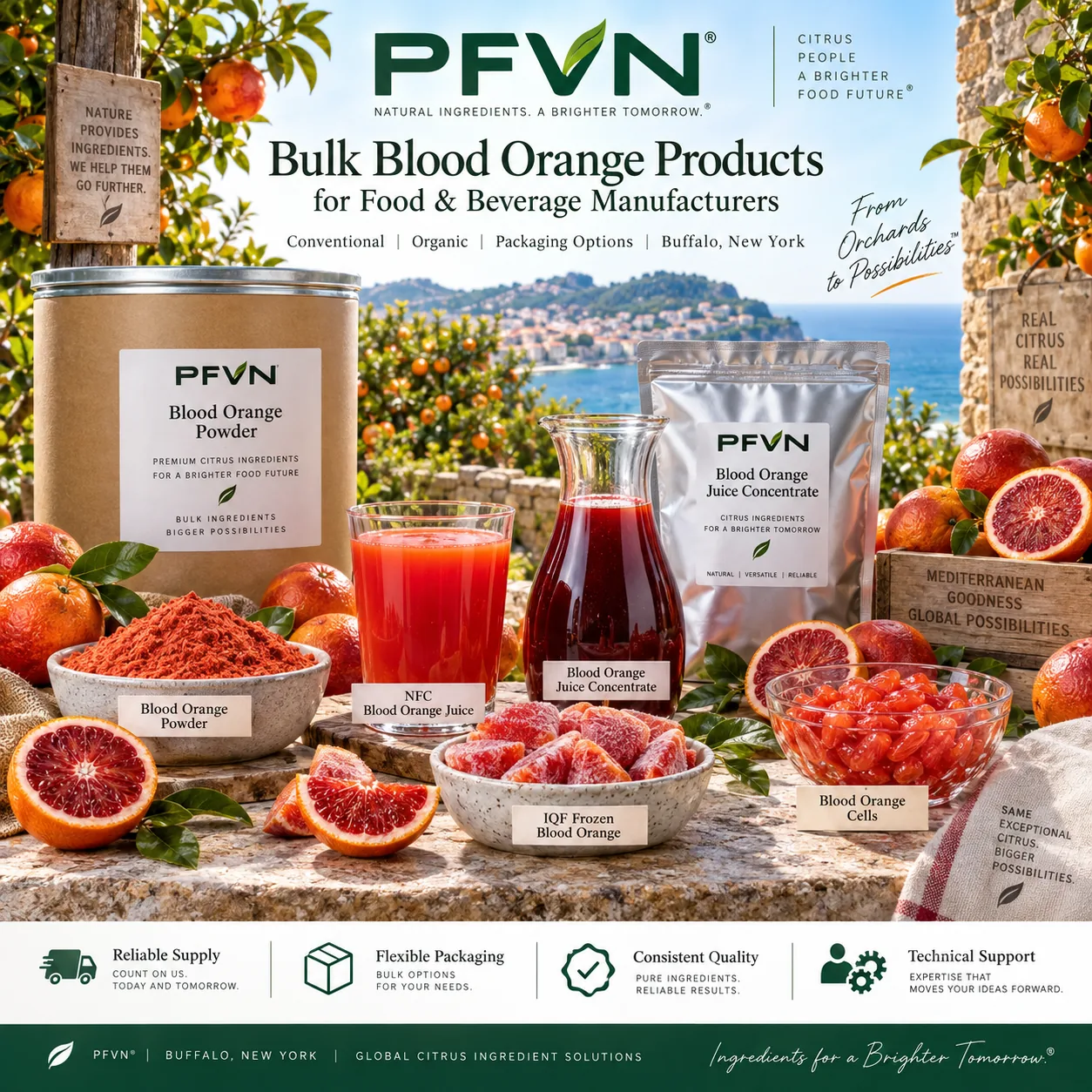
Colored citrus Blood Orange

Offers orange flavor with distinctive red pigmentation. Its natural color can add visual differentiation but should be evaluated carefully through processing and shelf life.

Soft citrus Mandarin Orange

Typically provides a sweeter, softer acid profile and strong aromatic character, suitable for premium juice blends and mild citrus beverages.

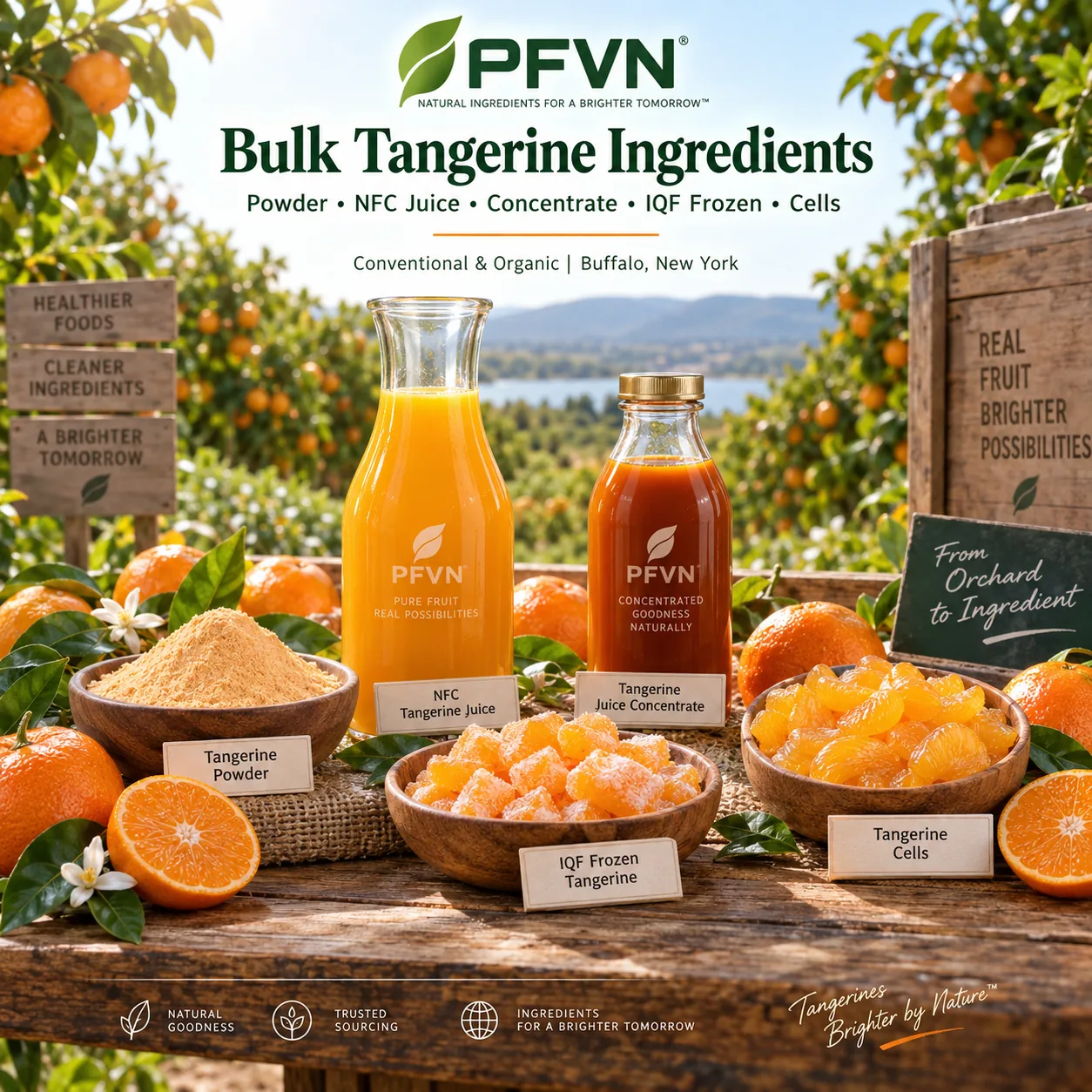
Aromatic citrus Tangerine

Provides pronounced sweet-citrus aroma and can strengthen fruit identity in orange-family and mixed-citrus formulations.

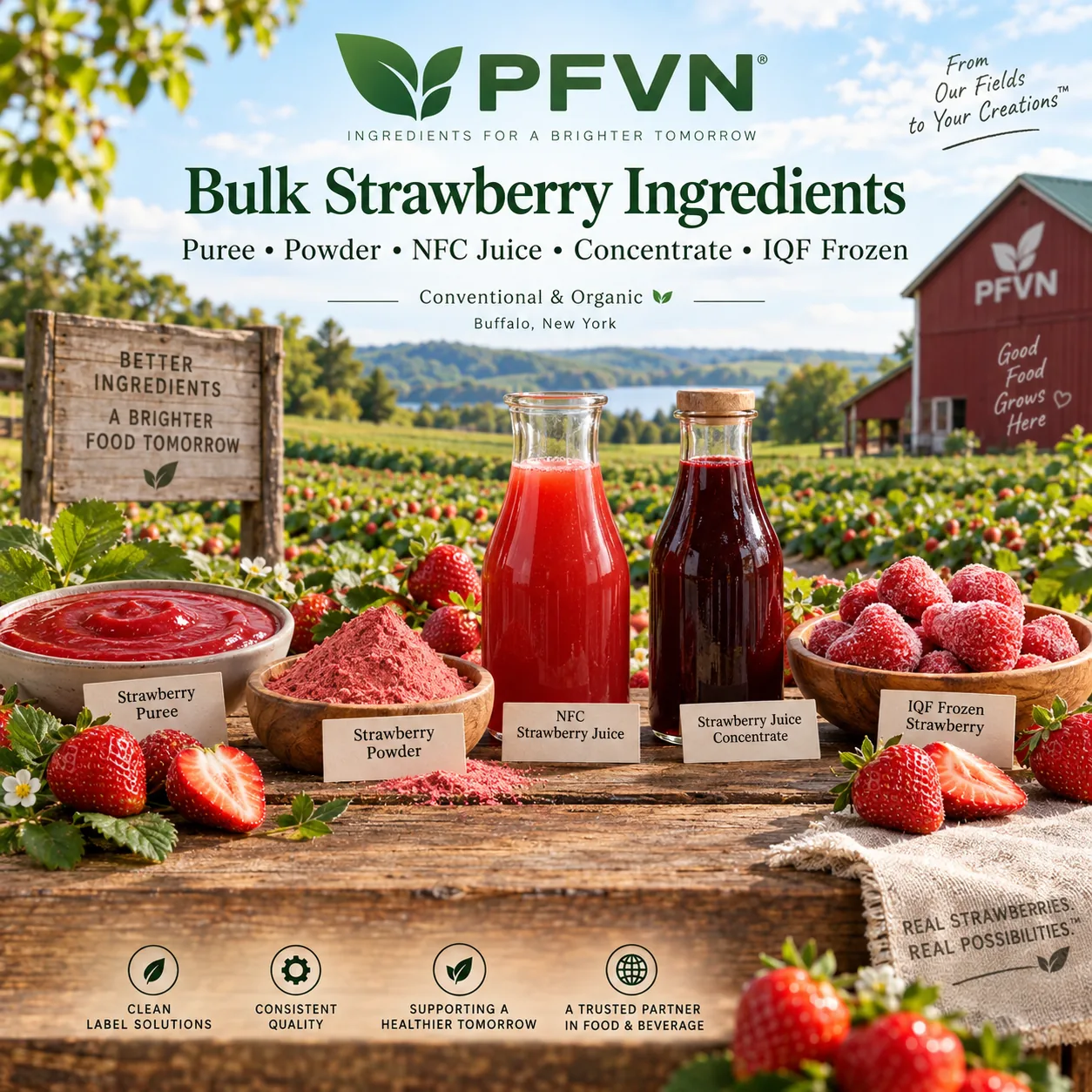
Red berry Strawberry

Contributes familiar berry flavor and red-fruit character for fruit blends, functional beverages and premium refrigerated products.

Technical specification

Core NFC juice parameters for clean-label beverage sourcing

Even simple ingredient declarations require disciplined technical specifications. The most useful controls are those directly connected to flavor, processing and finished-product consistency.

Identity NFC / single-strength juice

Confirm fruit identity, juice format and whether the material is clarified, cloudy or pulp-containing. Variety may also matter for selected citrus programs.

Soluble solids Natural °Brix

Natural soluble solids influence sweetness and fruit contribution. Values vary by variety, maturity, growing region and crop.

Acid profile pH & titratable acidity

pH and titratable acidity provide different information about the juice and should be evaluated where flavor and process performance depend on acid balance.

Physical profile Cloud & pulp

Define acceptable cloud, pulp, sediment and separation according to the intended product appearance and manufacturing system.

Appearance Natural color

Fruit color can shift with pH, oxygen, light and thermal exposure. Approve the color after the complete beverage process.

Sensory Flavor & aroma

Establish an acceptable fruit profile and screen for excessive cooked, fermented, oxidized, stale or otherwise atypical notes.

Microbiology Incoming criteria

Define appropriate microbiological requirements according to the juice supply system and validated finished-beverage process.

Composition Ingredient declaration

Confirm the actual commercial composition and any ingredients or processing-related declarations that are relevant to the finished product.

Formulation architecture

Let fruit ingredients perform multiple functions

One reason NFC juices are useful in clean-label programs is their ability to contribute several formulation functions at once. A citrus juice can provide acidity, flavor, aroma and soluble solids, while a berry juice can contribute both flavor and natural color.

Development should identify which properties can reasonably come from the fruit itself and which still require additional ingredients for product performance, stability or sensory balance.

Useful development checkpoints

  • Target juice inclusion
  • Target finished °Brix
  • Target pH and acidity
  • Desired fruit flavor intensity
  • Cloud or clarity target
  • Natural color contribution
  • Sweetener requirements
  • Processing method
  • Package type
  • Storage and shelf-life target
Processing considerations

Protect recognizable fruit character through manufacturing

Clean-label positioning can be undermined if fruit flavor or color deteriorates during processing. Ingredient selection should therefore be considered together with thermal exposure, oxygen pickup, filtration and filling conditions.

Heat Control thermal exposure

Excessive heat can reduce fresh citrus and berry aroma or shift the profile toward more cooked notes.

Oxygen Protect aroma & color

Oxygen pickup during blending and filling can contribute to flavor loss and pigment change during storage.

Filtration Retain the desired juice profile

Where filtration is used, verify that it provides the required physical control without unnecessarily removing desirable cloud or fruit character.

Mixing Maintain batch uniformity

Ensure juice, sweetener and other ingredients are distributed consistently before analytical testing and filling.

Holding Limit unnecessary residence time

Extended warm or aerated holding can reduce sensory quality even before the product reaches the package.

Packaging Use the package as part of the system

Light and oxygen barrier, closure integrity and storage conditions all influence how well fruit character survives shelf life.

Industrial applications

Where NFC juices are used in clean-label beverage programs

NFC and single-strength juices are useful across beverage categories where manufacturers want recognizable fruit ingredients and straightforward formulation architecture.

Juice drinks

Premium Juice Beverages

NFC juices can serve as primary or supporting fruit components in premium juice drinks and multi-fruit formulations.

Refrigerated

Chilled Fruit Beverages

Orange, citrus blends and strawberry systems can support refrigerated products positioned around recognizable fruit ingredients and fresh-style flavor.

Citrus

Lemonade & Limeade

Lemon and lime NFC juices provide direct fruit acidity and aroma in beverages where simple citrus ingredient systems are preferred.

Sparkling

Sparkling Fruit Beverages

Orange, grapefruit, blood orange, mandarin and tangerine juices can support premium carbonated and lightly sparkling fruit drinks.

Wellness

Wellness Shots & Functional Drinks

Citrus juices can provide natural acidity and flavor foundations for beverages containing additional functional ingredients.

Kids

Kids Beverage Programs

Familiar orange, mandarin and strawberry profiles can support fruit-forward children's beverage concepts subject to the intended nutritional and product requirements.

Tea blends

Tea & Fruit Beverages

Citrus and strawberry juices can combine with tea systems to provide natural fruit acidity, aroma and color.

Foodservice

Foodservice Juice & Mixer Programs

NFC juices can support standardized fruit beverage and mixer systems for hospitality, restaurants and institutional foodservice.

Qualification pathway

From ingredient list concept to filled package

A clean-label concept should be verified with the same technical discipline as any other commercial beverage. Ingredient simplicity does not remove the need for process validation, analytical control or shelf-life testing.

Recommended approval stages

  1. Review juice identity, composition and technical specification.
  2. Confirm Brix, pH, acidity, cloud, color and sensory profile.
  3. Run a bench formula using the intended simplified ingredient system.
  4. Evaluate whether each added ingredient performs a necessary technical or sensory function.
  5. Run a production-representative pilot through the intended process and package.
  6. Evaluate flavor, color, physical stability and shelf life.
  7. Lock the commercial specification and documentation requirements.

Record the juice lot, analytical values, inclusion level, processing conditions and finished-product results from successful trials. These records provide the benchmark for future commercial lots.

Color & flavor stability

Natural fruit characteristics need active shelf-life management

When a formulation relies more heavily on fruit-derived aroma and color, changes during storage can become more noticeable. Shelf-life testing should therefore evaluate both sensory and visual performance.

Citrus aroma Protect volatile notes

Lemon, lime, mandarin and tangerine aromas can diminish with oxygen exposure or prolonged storage.

Orange color Track appearance

Orange-family juices should be evaluated for color consistency, cloud stability and settling through shelf life.

Red pigments Monitor blood orange & strawberry

Red fruit pigments may change with pH, oxygen, light and storage temperature.

Cloud Watch physical separation

Natural juice cloud can settle or form rings depending on formulation, particle size and storage conditions.

Flavor Evaluate the complete system

Changes in sweetness or acidity perception can make fruit flavor appear weaker even when the juice itself has not changed significantly.

Package Validate in the final container

Barrier properties and light transmission can materially influence fruit quality over the intended shelf life.

Packaging & plant handling

Choose juice packaging around production scale and storage

NFC and single-strength juices may be supplied in pails, bag-in-box systems, drums, totes or other bulk liquid formats depending on fruit, processing method and supplier program.

The appropriate commercial package depends on batch size, expected usage rate, supply temperature and available plant handling equipment.

Usage rate Match pack size to production

Select a package that can be consumed efficiently without unnecessary partial-container storage.

Storage Confirm commercial condition

Determine whether the juice is supplied aseptic, chilled, frozen or under another defined program before approving warehouse requirements.

Transfer Review pumps and piping

Cloudy or pulp-containing juices can behave differently from clarified liquids through transfer and filling equipment.

Open packs Define handling procedures

Establish validated temperature and hold-time practices for opened or thawed product.

Freight Account for single-strength water

NFC juices transport more water than concentrates, making freight and storage efficiency part of the commercial comparison.

Logistics Review pallet configuration

Pack dimensions, net weight, shipment frequency and storage requirements all influence delivered cost.

Troubleshooting

When clean-label beverage performance changes

Compare incoming juice data and process records with the approved benchmark before adding more formulation complexity. The root cause may be raw-material variation, processing or storage rather than a missing ingredient.

Development check

Flavor loses freshness

Review heat exposure, oxygen pickup, juice age, holding time and package barrier before increasing flavor complexity.

Development check

Acidity varies

Compare incoming juice pH and titratable acidity with crop and lot data and verify other acid additions.

Development check

Cloud or sediment changes

Review juice pulp, particle size, density differences, processing shear and storage conditions.

Development check

Brix is off target

Check incoming juice Brix, sweetener dosage, dilution water and sampling method before changing the formula.

Development check

Color changes in storage

Evaluate pH, light, oxygen exposure, processing temperature and package barrier.

Consistency check

Fruit profile varies by lot

Compare variety, origin, crop, Brix, acidity and sensory results against the approved commercial benchmark.

Quality & documentation

Build the clean-label sourcing file around the actual juice

The commercial specification should identify the properties that materially influence the beverage. Documentation should also confirm the exact juice composition and commercial supply program being offered.

  • Current technical specification
  • Ingredient declaration
  • Certificate of Analysis where applicable
  • °Brix / soluble-solids specification
  • pH and titratable acidity
  • Cloud / pulp information where relevant
  • Microbiological specification
  • Allergen statement
  • Country-of-origin information
  • Organic or other certification documents where required
  • Storage and shelf-life information
  • Packaging specification
Commercial evaluation

Compare simplicity with total supply economics

A simpler ingredient declaration does not automatically mean a lower-cost formulation. NFC juice economics depend on fruit type, crop, origin, use level, package, storage condition and freight.

Use level Compare finished-formula cost

Evaluate the juice amount required to provide the desired flavor, acidity and color contribution.

Crop Review seasonal availability

Harvest conditions and crop volume can influence flavor profile, price, availability and lead time.

Origin Qualify alternatives

Where supply continuity matters, multiple origins can be approved against the same analytical and sensory criteria.

Packaging Consider handling efficiency

Bag-in-box, drum and tote programs can produce different labor, storage and residual-loss economics.

Cold chain Include logistics costs

Chilled and frozen supply may require additional freight and storage compared with aseptic ambient programs.

Volume Share annual requirements

Trial quantity, order size, delivery frequency and annual usage help suppliers evaluate commercial feasibility.